About

Lucy Algar, BA MA FHEA is an artist, performance designer and educator based in London. Her practice is rooted in drawing as a way of thinking, making, and collaborating. Moving fluidly between studio practice, participatory workshops, and performance contexts, her work explores movement, spatial awareness, and the relationship between bodies and space. She was Course Leader of the BA Theatre Design course at Wimbledon College of Arts, UAL from August 2013 – August 2025.
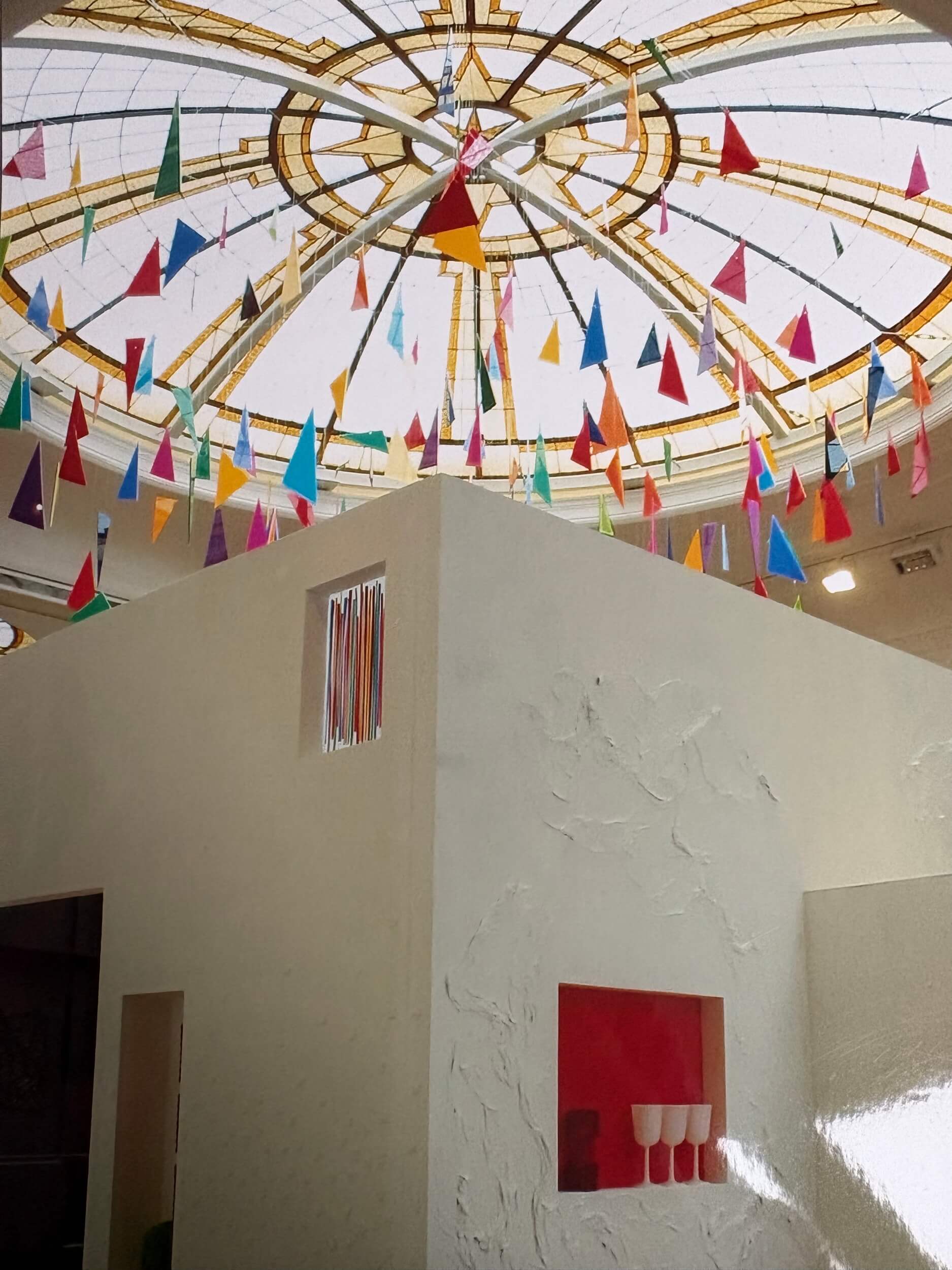
Her work includes extensive design for performance both for live theatre and for film and TV. She has also created installations in public environments & had solo exhibitions. She is an experienced educator and has taught across the UK and internationally (China, S.Korea, Prague, Maastricht). In 2022 she was nominated, by UAL, for a National Teaching Fellowship. Her research and practice focuses on the role of drawing as the primary investigative and communication tool for performance designers.
Whether working alone, alongside dancers, or within educational settings, Lucy Algar uses drawing as a collaborator and provocateur, a means of revealing ideas rather than fixing them, and a way of building trust and communication within performance-making.
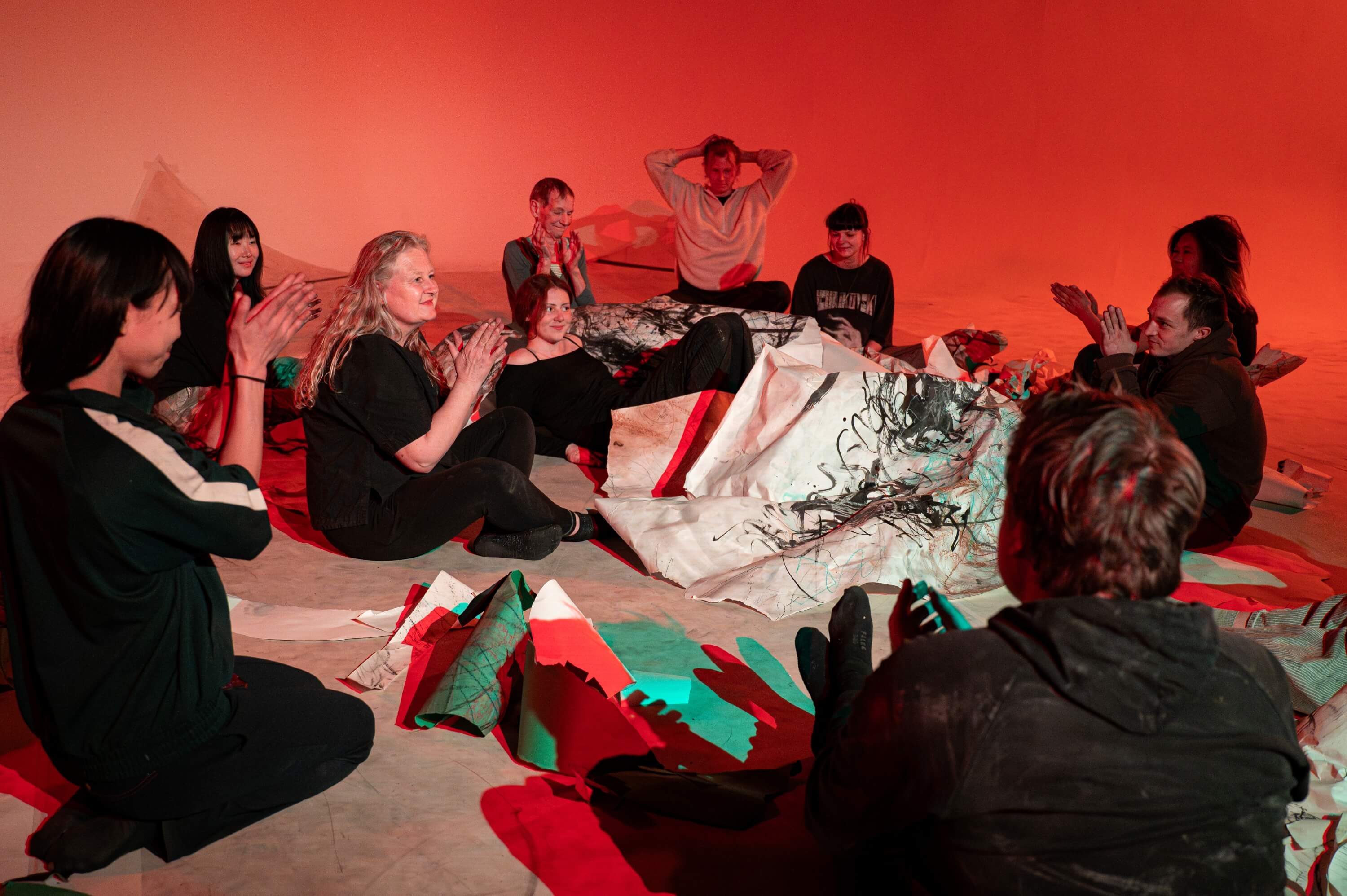
In 2017 she set up the Drawing Performance Project collective, with contemporary dancers Chihiro Kawasaki and Kirill Burlov. They continue to create performance work and run workshops to explore and reveal the connections between movement, performance design and drawing.In 2023 Kirill and Lucy ran a 3 day workshop for the Prague Quadrennial of Performance Design and Space.
Her work was selected for the 2024 Trinity Buoy Wharf Drawing Prize, the 2026 Sidney Nolan prize and in April 2026 she will join other artists at the Spring residency at the Arctic Hideaway on the island of Fleinvaer in Norway.

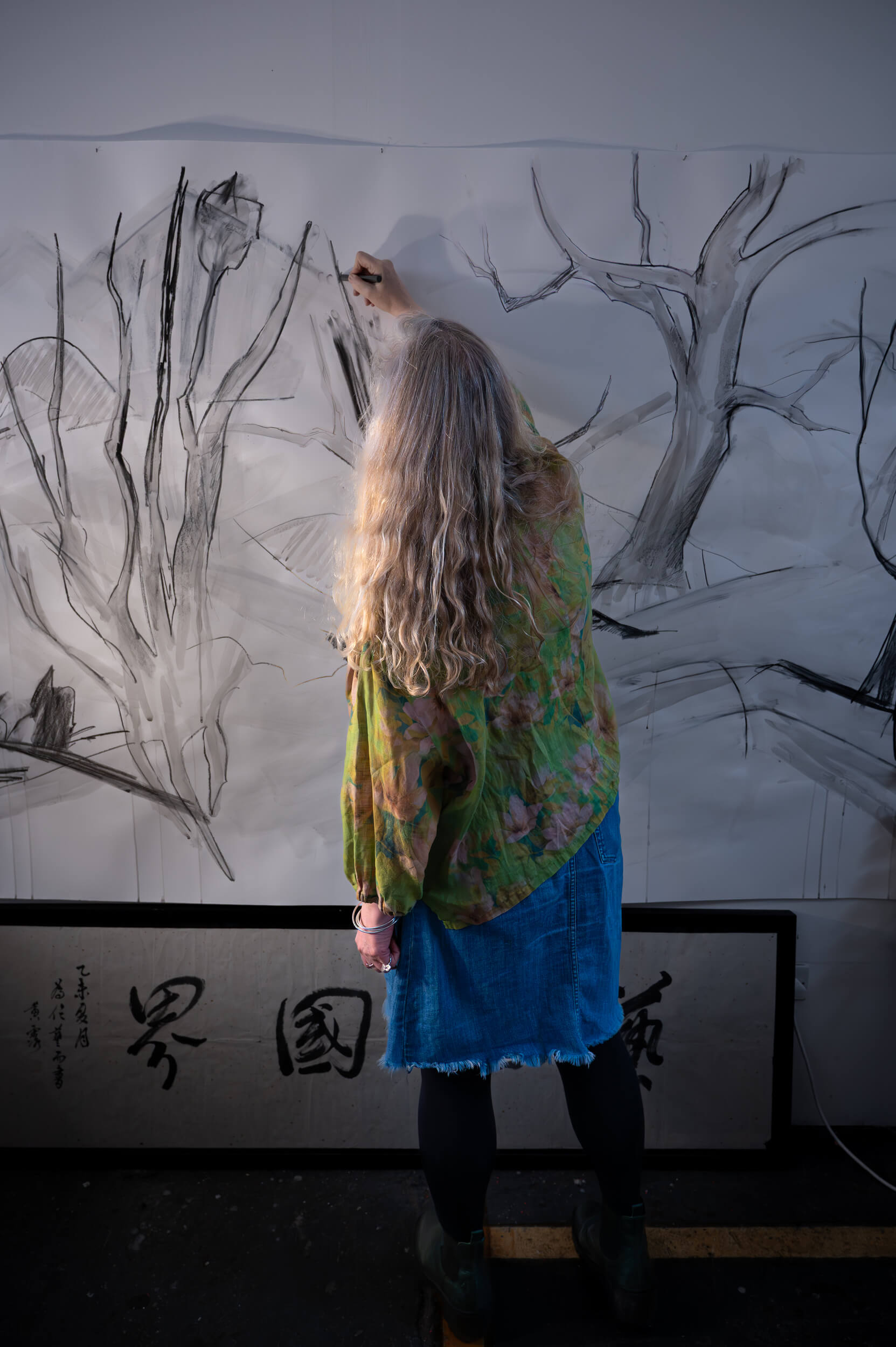
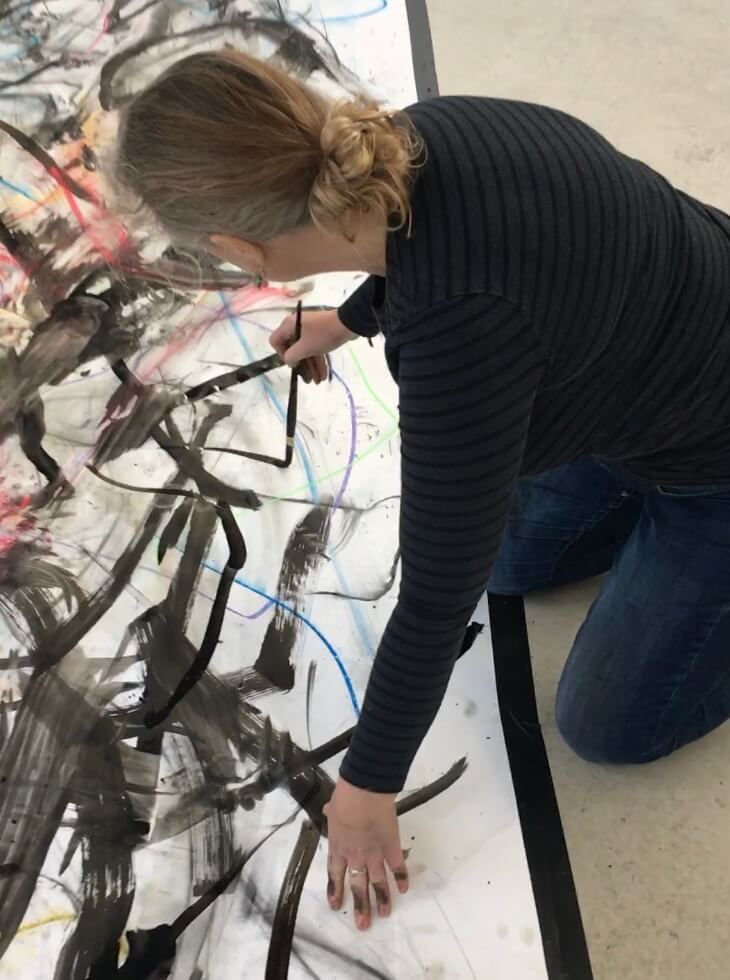
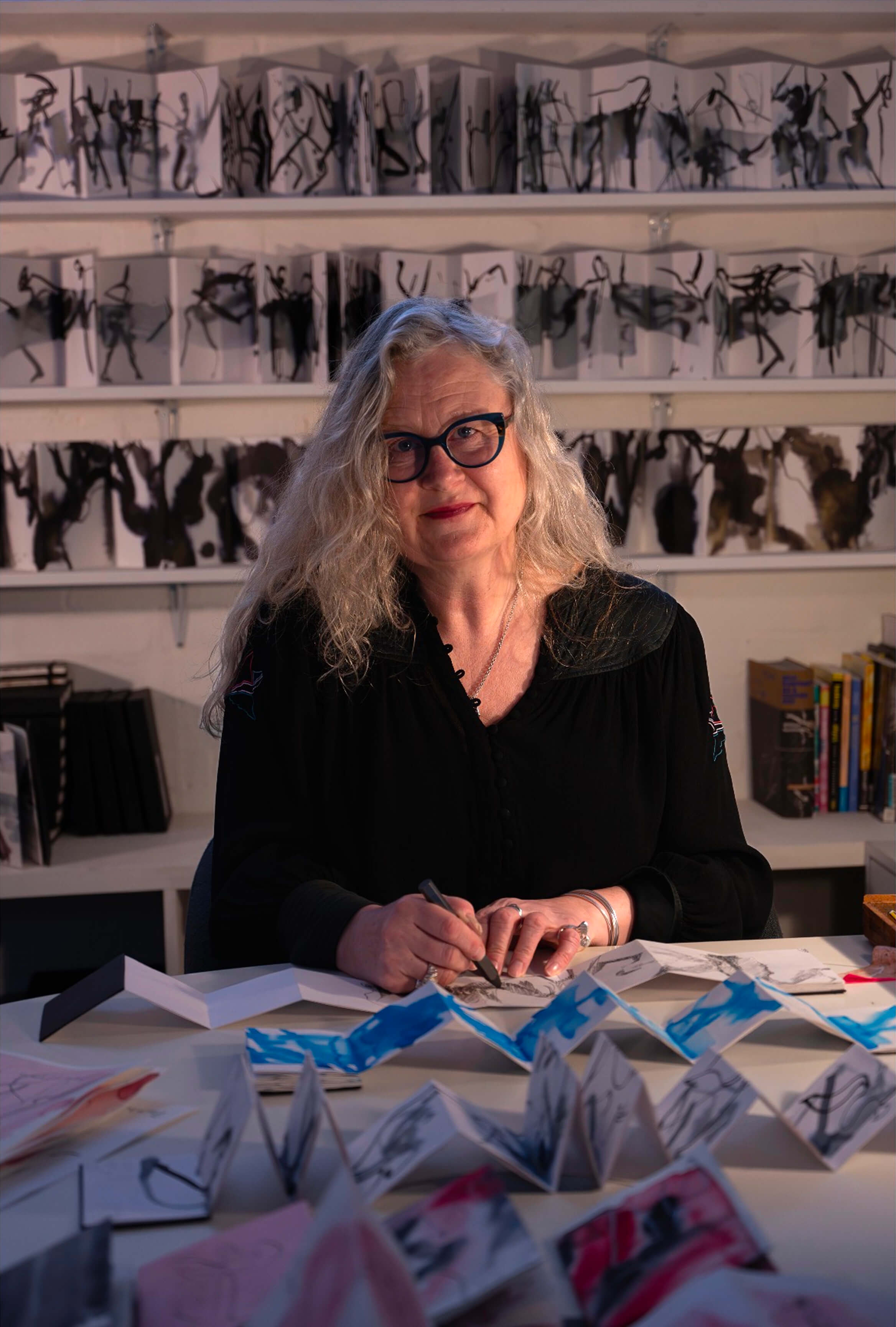
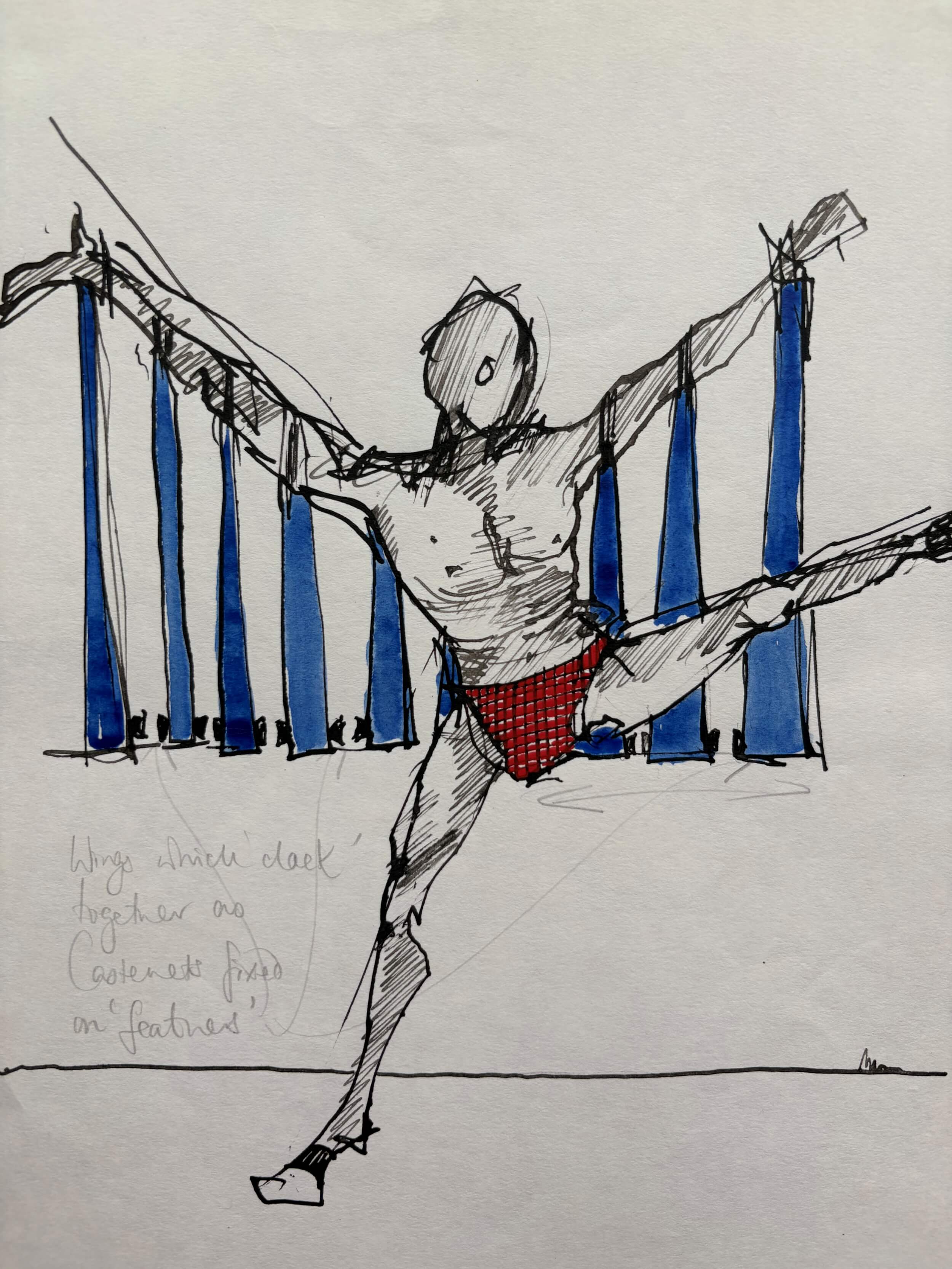
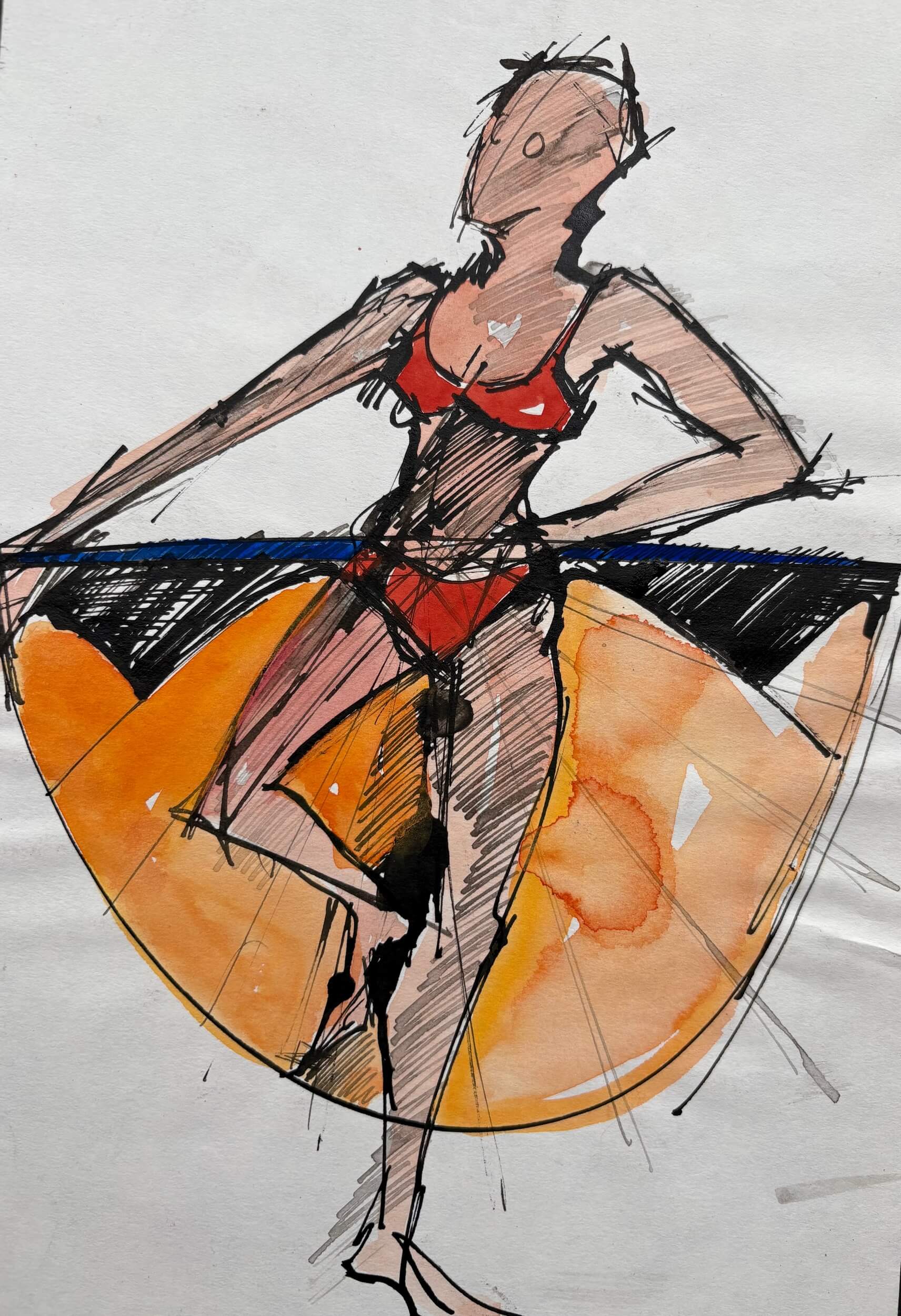
Lucy’s drawings challenge us to address scale and physicality. They are grounded in movement, whether that be dancers across paper or swaying trees in landscape. The relationship between figure, music and hand are unconscious: they evolve organically as she draws and collaborates with the dancers. Her international practice and training is rooted in set design, helping us and her students understand the power of movement and where our eye is drawn. As the dancers move across the floor their movements are mirrored in ink. The space between allows us to see.